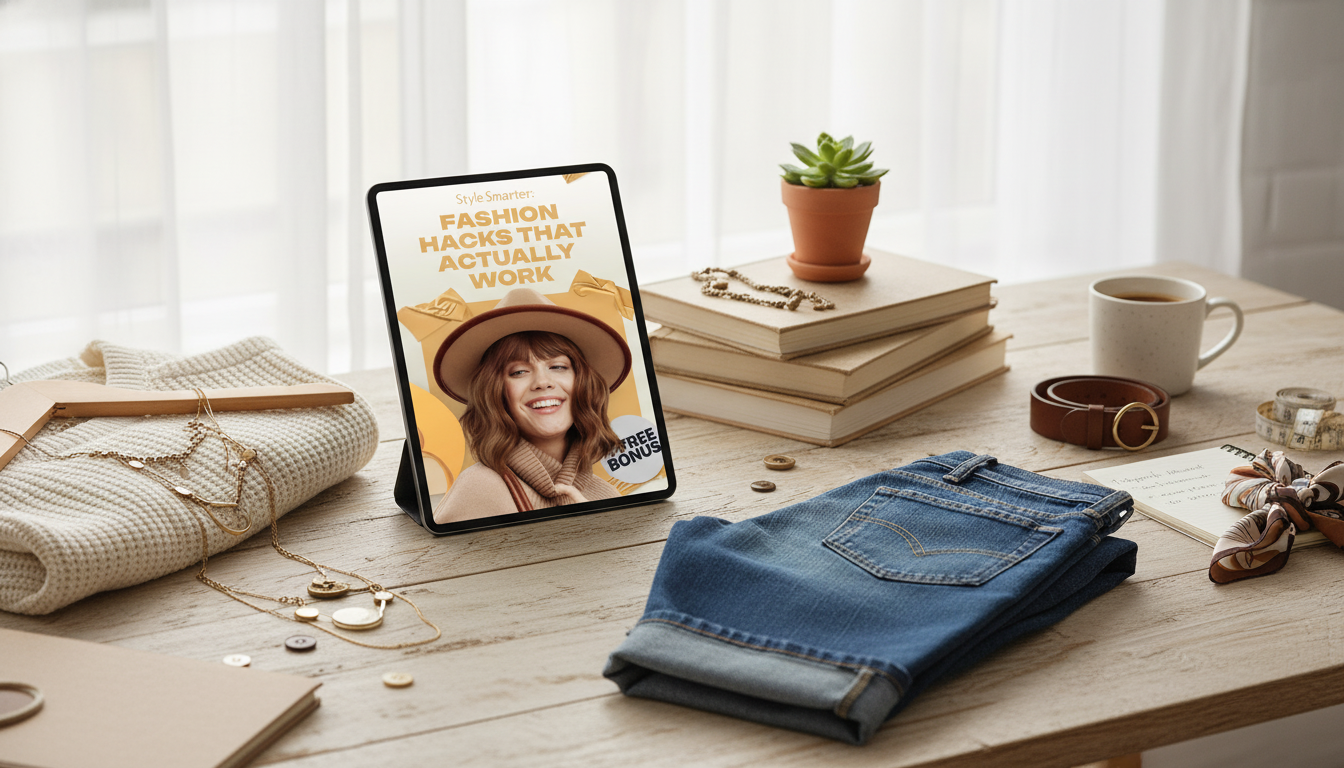
Getting dressed feels easier when the closet is built to remix. The most “magical” wardrobes aren’t overflowing—they’re set up for quick decisions, repeatable outfit formulas, and a few small fit fixes that make everything look sharper. Below are practical, low-drama hacks that work for busy mornings, travel days, and everyday life, with sustainability baked in so outfits go further without constant shopping.
Momentum matters. A short reset does more than a perfect, all-day cleanout because it creates immediate outfit options.
Pull 10 pieces you wear constantly and 10 pieces you avoid. The difference usually reveals fit issues (rise, inseam, neckline, shoe pairing) or missing “bridge” items (a layer, a belt, a bra that works), not a lack of clothes.
Reserve a small section of your closet or a single hanger cluster. Pre-build five outfits (even if they’re simple). This cuts decision fatigue and reduces the odds of panic-buying something “for tomorrow.”
Instead of “tops” and “bottoms,” try zones: work, weekend, errands, events. Store the shoes and bag that belong to each zone nearby so you can grab-and-go without re-thinking everything.
Write down 5 quick wins—missing buttons, a hem you keep stepping on, a strap that slides, boots that need polish. These micro-fixes often unlock outfits that are already in your closet but never feel quite right.
| Problem | Fast Fix | Outfit Result |
|---|---|---|
| Tops look sloppy untucked | Front-tuck + belt or tuck into high-rise bottoms | Instant waist definition; polished proportions |
| Outfits feel flat | Add one “third piece” (overshirt, cardigan, blazer, trench) | More structure; intentional look |
| Nothing matches | Pick a 3-color base (2 neutrals + 1 accent) | Easy mixing; fewer orphan items |
| Shoes never feel right | Choose a default pair for each zone (sneaker, loafer, boot, heel) | Faster outfit building; consistent vibe |
| Dresses feel one-note | Layer: tee under, sweater over, belt, or add boots | Multiple seasons and silhouettes from one dress |
Repeating outfits is normal; the trick is making it look deliberate. That comes from repeating a structure and changing one “signal” element.
Keep a consistent silhouette—like wide-leg pants + fitted top + jacket—and swap the color, fabric, or neckline. The overall vibe stays cohesive, but the outfit reads new.
Pick one accessory category that shows up often: gold hoops, a scarf style, a watch, a specific bag shape. It creates a recognizable thread that makes repeating feel like personal style instead of “running out of ideas.”
The same jeans and tee can read sporty with sneakers, polished with loafers, or edgy with boots. If you only change one thing, change the shoes.
Keep the base the same and swap just the top, or keep the dress and swap the layer. One change is enough to look refreshed while keeping mornings simple.
Pair one fitted piece with one relaxed piece (tight top + wide pants, oversized shirt + slim jeans). If everything is loose, add structure with a blazer or a crisp jacket.
Combine at least two textures to add depth: denim + knit, cotton + leather, linen + ribbed tank. Texture does the “styling work” without needing loud colors or trendy cuts.
Repeat one color twice—shoe + bag, top + scarf, or belt + sunglasses. Even a simple outfit looks planned when a color shows up in two places.
Set a personal target (for example: “I want at least 30 wears”). It’s a practical way to buy less while still investing in pieces you’ll actually use. For broader context on textile waste and circularity, see the EPA’s textiles data and the Ellen MacArthur Foundation’s report on a new textiles economy.
Repeat the outfit formula (silhouette) instead of repeating the exact pieces, and swap just one item each time. Changing shoes and adding a signature anchor (like the same jewelry category) makes repeats look purposeful.
Do a 15-minute reset: pull your most-worn and least-worn pieces, then build a “today rail” with five ready outfits. Add a small fix-it list (buttons, hemming, steaming) and create a mini capsule using favorites you already own.
Shop from a gap list based on function, choose rewear-friendly fabrics, and maintain pieces so they keep their shape and finish. Using a cost-per-wear goal helps you invest in items that remix easily and get worn often.




Leave a comment