HomeBlogBlogMake Clothes Last Longer: Wash, Dry, Store & Mend Smart

Make Clothes Last Longer: Wash, Dry, Store & Mend Smart

Make Clothes Last Longer: Wash, Dry, Store & Mend Smart

Wardrobe Wisdom: Make Clothes Last Longer

Clothes last longer when the basics are done consistently: wash less and more gently, dry with lower heat, store to prevent stretching and pests, and repair small issues before they spread. The payoff is real—better fit, steadier color, fewer mystery snags, and a closet that looks “new” longer without buying replacements. Use the steps below to turn garment care into a simple, repeatable routine that works for everyday tees, denim, knits, and dressier pieces.

Start with the label, then build a simple routine

Care labels aren’t just suggestions; they’re the fastest shortcut to avoiding shrink, dye loss, and texture changes. The U.S. rules behind them are outlined by the FTC Care Labeling Rule, which is why you’ll see consistent symbols across brands.

  • Decode care labels: wash temperature, bleach limits, tumble-dry settings, iron heat, and dry-clean notes tell you what damage to avoid (usually heat and harsh chemicals).
  • Adopt a repeatable flow: sort → pre-treat → wash → dry → finish (steam/iron) → store.
  • Aim for “clean enough”: many items can be aired out, spot-cleaned, or rotated between wears instead of washed after every use.
  • Keep a small kit nearby: stain remover, soft brush, lint roller, needles, matching thread, and a sweater shaver.

Care-label quick guide

Symbol/Instruction What it means Practical move
Cold/30°C wash Lower agitation and heat Use gentle cycle; zip zippers; turn darks inside out
Do not bleach Fibers/dyes can be damaged Skip chlorine; use oxygen bleach only when permitted
Tumble dry low Heat-sensitive fabric Short cycles; remove slightly damp; finish air-drying
Line dry/flat dry Prevent shrink/stretch Lay knits flat; reshape seams and hems while damp
Cool iron Low heat needed Use pressing cloth; avoid direct heat on synthetics

Washing: the least destructive way to get clean

A washer can be gentle—or it can behave like sandpaper. The biggest wear-and-tear culprits are friction, overloading, and leftover detergent residue that stiffens fibers and attracts soil.

  • Sort beyond colors: separate heavy items (denim, towels) from delicates to cut abrasion and pilling.
  • Close and protect: zip zippers, hook bras, and turn items inside out to shield prints and face fabric.
  • Measure detergent: too much can leave buildup. If you want safer ingredient guidance, the EPA Safer Choice program is a helpful reference point when comparing products.
  • Pick the gentlest effective cycle: knits, elastane blends, and embellished items last longer on low agitation.
  • Load correctly: wash full loads (not stuffed) so items can move without grinding together; use a mesh bag for lingerie and sweaters.

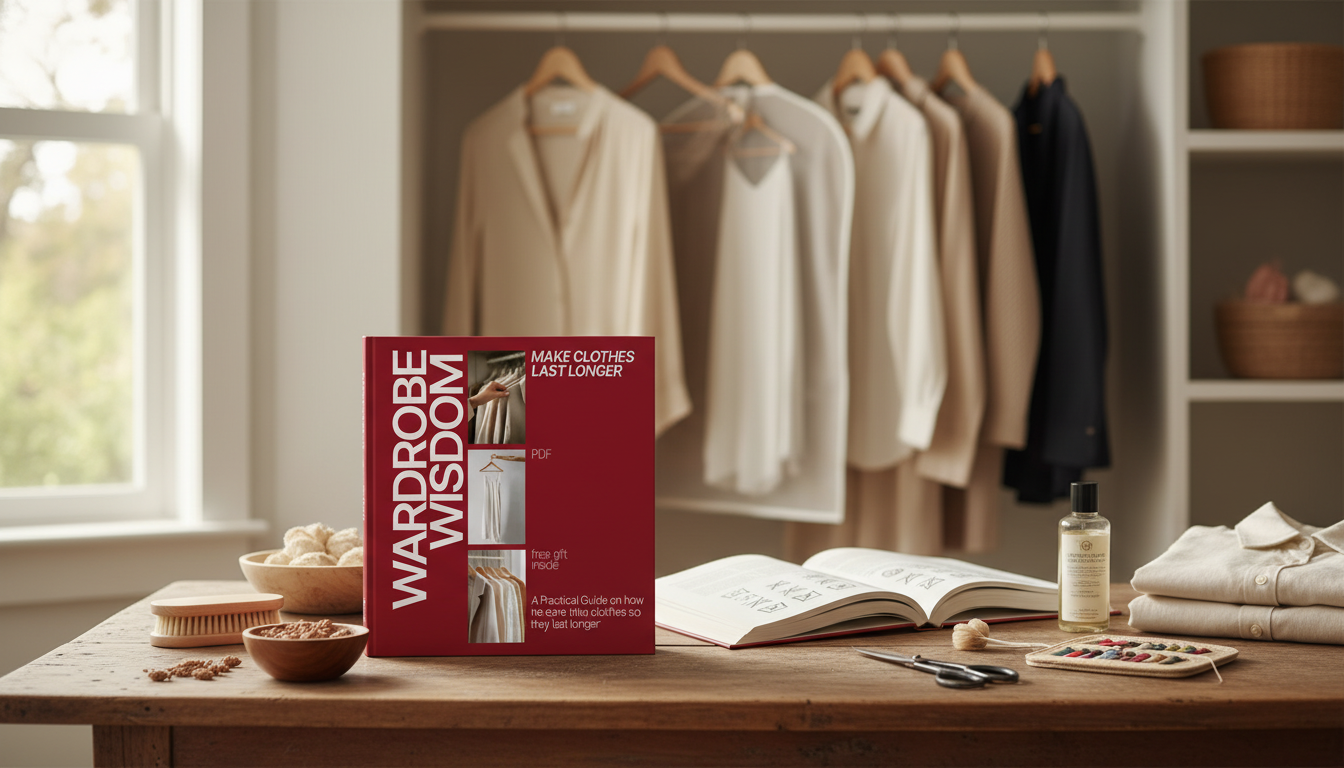
If you want a step-by-step routine you can keep on your phone or print, Wardrobe Wisdom: Make Clothes Last Longer – A Practical Guide breaks down the process into quick checklists for busy weeks.

Stains and odors: treat early, treat correctly

Most “permanent” stains became permanent because heat or time set them. Treating the right way in the first hour saves the garment—and avoids aggressive rewashing later.

  • Act fast: blot (don’t rub), rinse from the back when possible, and pre-treat before the stain dries.
  • Match treatment to stain type: protein (blood/sweat), oil (makeup/grease), tannin (coffee/wine), or dye transfer all respond differently.
  • Avoid heat until it’s gone: dryers and hot irons can lock stains in for good.
  • Handle odors with airflow: air out in shade, use fabric-safe refresh sprays, or do a short steam session instead of immediately washing again.

Drying: where most damage happens

Heat is the quiet wardrobe killer. Even when fabric doesn’t visibly shrink, high heat can fatigue elastic, roughen fibers, and dull color over time.

Fabric-by-fabric care that prevents shrinking, fading, and pilling

  • Cotton: cold or warm wash; avoid high-heat drying. Keep rough loads (towels, denim) separate to reduce fuzzing and pilling.
  • Denim: wash inside out and less often. Spot-clean when you can, and air-dry to protect dye and limit shrink.
  • Wool/cashmere: hand wash or wool cycle with wool-safe detergent; flat dry; store folded to prevent shoulder bumps. For fiber-specific guidance, Woolmark’s care advice is a reliable reference.
  • Synthetics (polyester/nylon): low heat; avoid softeners on athletic gear; wash with similar weights so zippers and hooks don’t snag.
  • Silk/rayon: gentle wash or hand wash; avoid twisting; press on low heat with a cloth; hang carefully (or fold) to reduce stretching.

Style tip: if you’re building a smaller closet with repeat-wear pieces, rotating outfits reduces wash frequency and friction. For outfit ideas that lean clean and minimal, see Modern Minimal Outfits with New Balance Guide – Effortless Style & Clean Streetwear Looks.

Storage and organization that keep clothes in shape

Repairs and refresh: small fixes that add years

A practical checklist for a longer-lasting wardrobe

FAQ

How often should clothes be washed to make them last longer?

Wash items that touch sweat and skin closely (underwear, socks, workout gear, most tees) after each wear, but wash jeans, sweaters, and jackets less often—every few wears or when they look/feel dirty. Between wears, air out garments and spot-clean small marks to reduce unnecessary cycles.

What’s the best way to stop clothes from shrinking in the wash and dryer?

Use cold water, gentler cycles, and avoid high-heat drying—air-dry when possible and remove items from the dryer slightly damp if you must use it. Check fiber content: cotton, wool, and rayon are more shrink-prone, and reshaping seams and hems while damp helps preserve fit.

How can pilling be prevented and removed without damaging fabric?

Reduce friction by sorting by weight, turning items inside out, and using mesh bags for knits; avoid overloading and over-drying. Remove pills with a fabric shaver or sweater comb using light pressure, stopping as soon as the surface looks smooth again.


Was this article helpful?

Yes No
Leave a comment
Top

Shopping cart

×