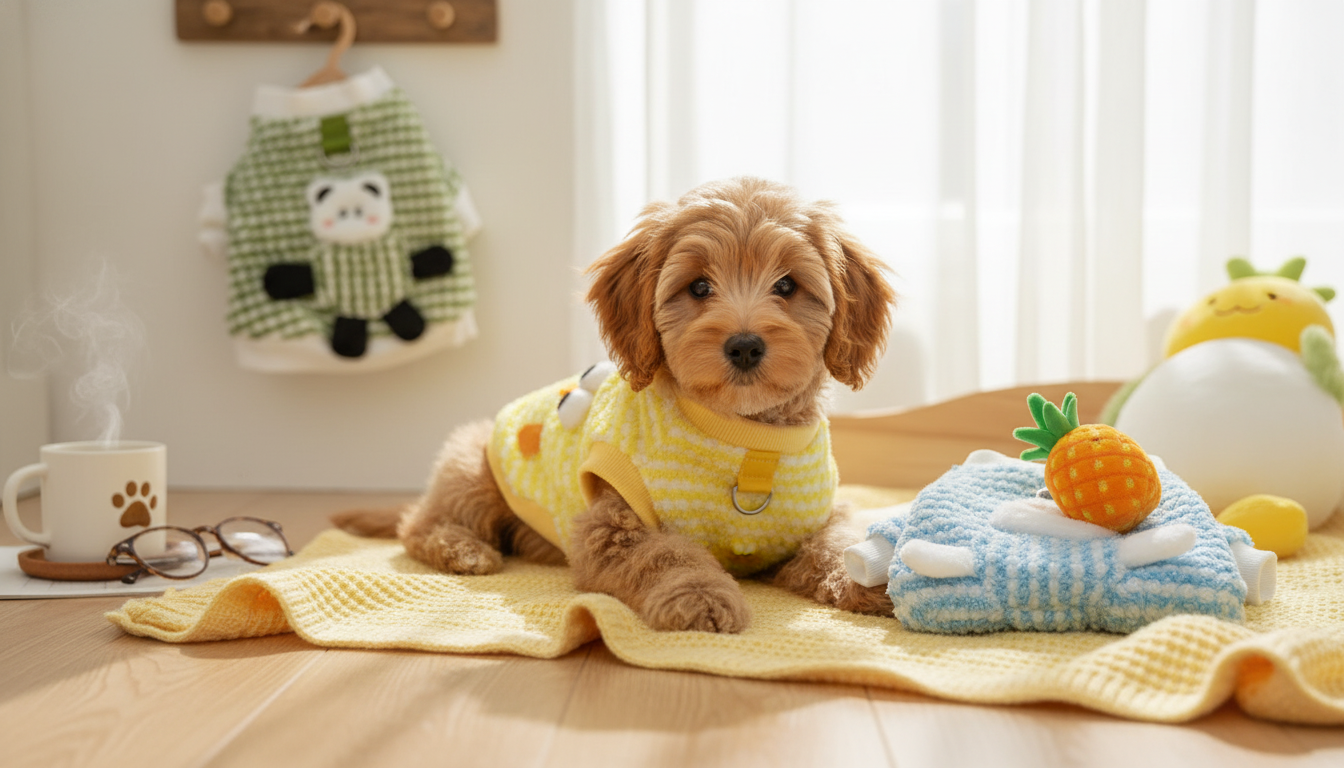
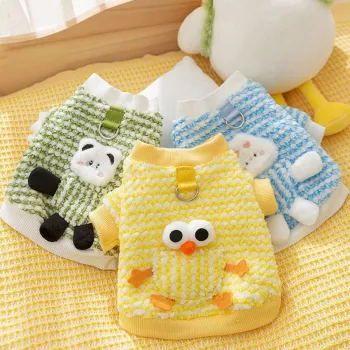
Cold walks and chilly indoor drafts can make small and short-coated pets uncomfortable. A soft, insulating jacket helps hold in body heat while keeping movement easy for play, potty breaks, and daily walks. The Cozy Pineapple Velvet Pet Jacket for Winter pairs a snug, winter-ready feel with a fun pineapple-inspired design—so pets can stay warmer without looking like they’re wearing a stiff, bulky coat.
When temperatures drop, the goal is simple: add warmth while keeping your pet comfortable and unrestricted. This style is designed to feel cozy against the body and easy to wear during everyday winter routines.
Not every pet needs a jacket for every outing, but some pets benefit from an extra layer as soon as the weather turns crisp. This jacket style tends to be a strong match for pets that get cold quickly or spend time in cooler indoor spaces.
For general cold-weather safety guidance, resources like the American Veterinary Medical Association (AVMA) and ASPCA winter safety tips offer helpful reminders on limiting exposure and watching for signs of cold stress.
A warm jacket should feel like a gentle hug, not a squeeze. Before heading out the door, run through a quick comfort check so your pet can walk, sit, and sniff normally.
Fit is what makes a winter jacket useful: too tight can restrict movement and trap moisture; too loose can twist, rub, and let cold air in. Use a soft tape measure and measure while your pet is standing naturally.
| Measurement | How to Measure | Fit Goal |
|---|---|---|
| Chest girth | Wrap a soft tape behind front legs at the widest chest point | Snug but not tight; breathing and stepping should be easy |
| Back length | From base of neck (where collar sits) to base of tail | Covers the back without blocking tail movement |
| Neck | Around the neck where a collar naturally rests | Comfortable; avoids rubbing when turning head |
| Weight (optional) | Use as a secondary reference after measurements | Helps confirm size when between options |
Winter gear gets messy fast—road salt dust, damp grass, and that mystery “good smell” your pet found near the sidewalk. A simple care routine helps keep the fabric soft and ready for the next outing.
The best winter routine is the one your pet tolerates happily. Keep comfort front-and-center, and adjust based on weather, wind, and your pet’s energy level.
Common signs include shivering, slowing down, lifting paws, a tucked tail, or repeatedly seeking to be carried. Small, short-coated, and elderly pets often chill faster, so shorten outings and add a warm layer when needed.
It can help in drafty homes or for seniors who get cold easily, especially during quiet rest time. Remove the jacket if you notice panting, restlessness, or any signs of overheating, and supervise until you’re sure it’s comfortable.
Use the two-finger rule at the neck and chest, make sure shoulders move freely, and check for rubbing near the armpits. The length should stay clear of bathroom needs; if your pet is between sizes, sizing up usually improves comfort and mobility.





Leave a comment