Japan planning gets easier when decisions are based on how a place will feel day to day—not just on famous sights. A calm plan starts with clarity: choosing regions that match your pace, building routes that make sense on the map, and leaving breathing room for food, neighborhoods, and small discoveries that don’t fit neatly into a checklist.
Before you pick cities, pick your priorities. Two or three “trip priorities” usually create enough focus without boxing you in—quiet scenery, street food, design and architecture, traditional towns, onsen time, museums, hiking, nightlife, or a mix.
| If you want more… | Consider bases/regions | Best for | Notes |
|---|---|---|---|
| Major-city variety | Tokyo + day trips (Kamakura, Nikko, Kawagoe) | Food neighborhoods, museums, shopping, pop culture | Use 2–3 themed days rather than crossing the city constantly |
| Classic route with easy logistics | Tokyo → Hakone/Fuji area → Kyoto → Osaka | First timers who want iconic stops | Add an extra night in Kyoto or Tokyo to reduce rushing |
| Traditional streets + crafts | Kyoto (plus Uji, Nara), Kanazawa, Takayama | Temples, gardens, old districts, artisan shops | Stay near rail lines to keep transfers simple |
| Coasts + relaxed pace | Shonan/Enoshima, Izu Peninsula, Setouchi (Naoshima area) | Sea views, cycling, cafes, islands | Weather matters; plan a buffer day |
| Nature + hot springs | Tohoku, Nagano, Kusatsu/Ikaho, Kurokawa (Kyushu) | Hiking, onsen towns, scenic rail | Keep nights in 1–2 onsen areas for the full effect |
Great trips usually follow one “spine” (east, central, or west) rather than zig-zagging across the country. The goal isn’t to see less—it’s to see more without feeling like you’re always in transit.
If you want dependable planning info while comparing routes, official and long-running resources help: Japan National Tourism Organization (JNTO) for seasonal guidance, Japan Guide for destination overviews, and JR East travel information for rail basics and regional details.
A simple way to avoid overbuilding: pick anchors first, then sprinkle in texture.
Logistics are not the fun part—but they determine whether a plan feels spacious or frantic.
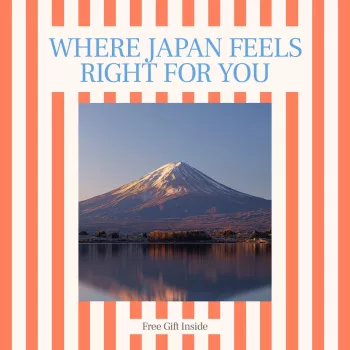
When you want clear direction without an overbooked schedule, a planning framework helps translate “what sounds nice” into a practical set of bases and day shapes. For a guided, preference-first approach, see Where Japan Feels Right for You | Digital Travel Guide for Thoughtful Planning, Personal Routes & Clarity on where to go in japan.
| Component | What it helps with | When to use it |
|---|---|---|
| Planning framework | Deciding where Japan will feel most “right” | Before booking hotels and long-distance trains |
| Route logic | Reducing backtracking and rushed days | When mapping bases and day trips |
| Pacing guidance | Building breathing room into a schedule | When turning a wishlist into a day-by-day plan |
| Clarity prompts | Choosing between similar options | Anytime decisions start to feel overwhelming |
If you like keeping your suitcase streamlined (and your photos cohesive), a simple packing “uniform” can make multi-city travel easier. For outfit ideas built around clean basics and comfortable sneakers, consider Modern Minimal Outfits with New Balance Guide – Effortless Style & Clean Streetwear Looks.
Depending on season and interests, consider quieter regions like Tohoku, Shikoku, parts of Kyushu, rural Nagano, or smaller onsen towns where most visitors don’t stay overnight. Aim to sleep one or two nights outside the main hubs, travel on weekdays, and use one base to explore lesser-known neighborhoods rather than hopping hotels daily.
For most first trips, 2–4 bases feels best because it reduces packing, transfers, and decision fatigue. For 7 days, two bases (like Tokyo and Kyoto) is plenty; for 10 days, add one more base or an onsen night; for 14 days, you can add a third region while still keeping the pace comfortable.





Leave a comment