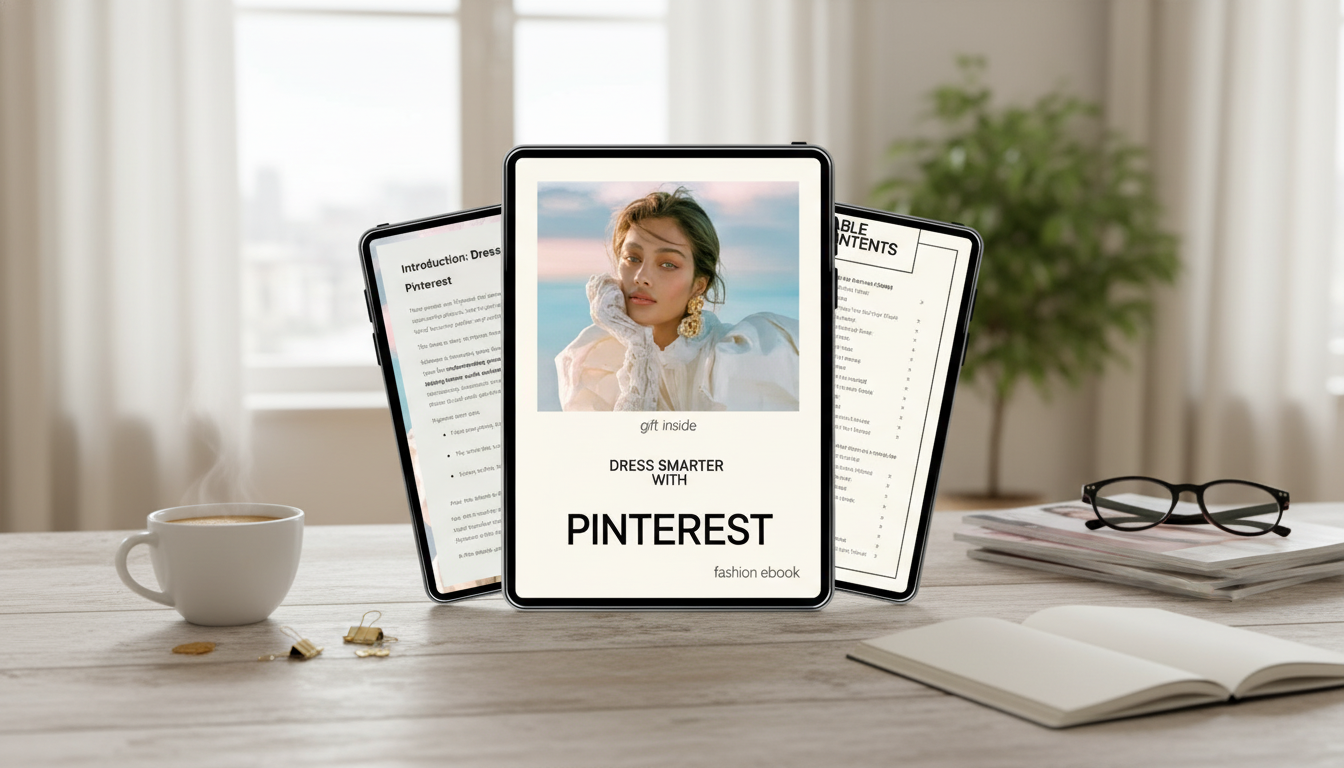
Pinterest can be more than a mood board—it can become a repeatable system for finding style inspiration, turning pins into wearable outfits, and making fewer “almost right” purchases. When you set it up with intention, Pinterest helps you notice what you actually like, what you actually wear, and what you should stop buying. Below is a practical way to organize your pins so they feed your closet (not your scrolling), plus a simple workflow that connects inspiration to smarter shopping. For more guidance, see [PDF] HOW TO DRESS WELL MEN.
Dressing smarter doesn’t mean owning more clothes. It means making fewer random decisions and having more outfits that work on real days—workdays, errands, dinners, travel, and everything in between.
A helpful mindset shift: Pinterest isn’t your “style.” It’s your research tool. The goal is to turn that research into a small set of outfit patterns you can repeat with confidence.
If your Pinterest feels like a black hole of gorgeous images, simplify your structure. Start with 3–5 focused boards tied to real life, then use sections to capture repeatable outfit formulas.
| Board type | What to pin | How it helps you shop |
|---|---|---|
| Outfit Formulas | Full outfits with clear silhouettes and simple layering | Turns inspiration into repeatable combinations |
| Core Basics | White shirts, denim cuts, sweaters, tees, trousers in wearable fits | Clarifies which basics are missing or need replacing |
| Statement Pieces | One standout item at a time (coat, bag, shoes, print) | Prevents buying multiple “almost the same” trend items |
| Color Palette | 2–3 neutrals + 1–2 accent colors in clothing you’d wear | Keeps purchases cohesive and easy to mix |
| Occasion Looks | Work events, travel, weddings, weekends | Builds targeted lists instead of random carts |
If you need help with Pinterest mechanics (saving, organizing boards, managing your account), the Pinterest Help Center is a reliable reference. For platform-level policies and reporting, see the Pinterest Transparency Center.
Pins become useful when you translate them into what you can actually put on—today, with your closet, in your weather. This is where “pretty” turns into practical.
A fast way to start: pick one formula you see repeatedly (for example, “structured layer + simple top + straight-leg bottom + clean shoe”) and build three variations using what you already own.
Shopping gets easier when Pinterest is used to define gaps—not to create endless wants. Use this workflow to go from inspiration to fewer, better buys.
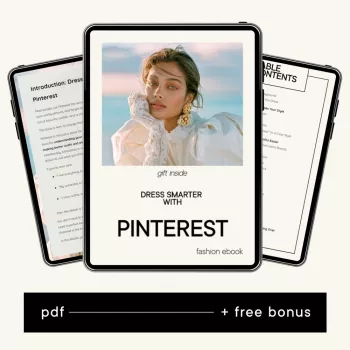
If you want the system spelled out step-by-step, Dress Smarter With Pinterest – A Practical Ebook Guide to Pinterest for Fashion Inspiration, Building Outfits, and Shopping With Confidence organizes the process into simple actions you can reuse every season.
| Item | Details |
|---|---|
| Format | Ebook (digital guide) |
| Focus | Pinterest-based outfit building and shopping confidence |
| Price | 23.99 USD |
| Availability | In stock |
For a concrete occasion example, you can also create a seasonal “holiday/weekend” section that includes casual statement pieces you’ll realistically wear, like a graphic layer or themed sweatshirt. If that fits your lifestyle, consider saving outfit ideas built around a single standout item such as the Patriotic Eagle Hoodie – 4th of July Hooded Sweatshirt – USA Unisex Hoodie and then planning the supporting basics (simple denim, clean sneakers, minimal accessories).
Use one strong structure piece (like a blazer, trench, or tailored trouser), tighten your color palette, and upgrade one anchor accessory (shoes or bag). Then save and repeat outfit formulas from your Pinterest pins so you’re building reliable combinations instead of trying to copy a single look exactly.





Leave a comment