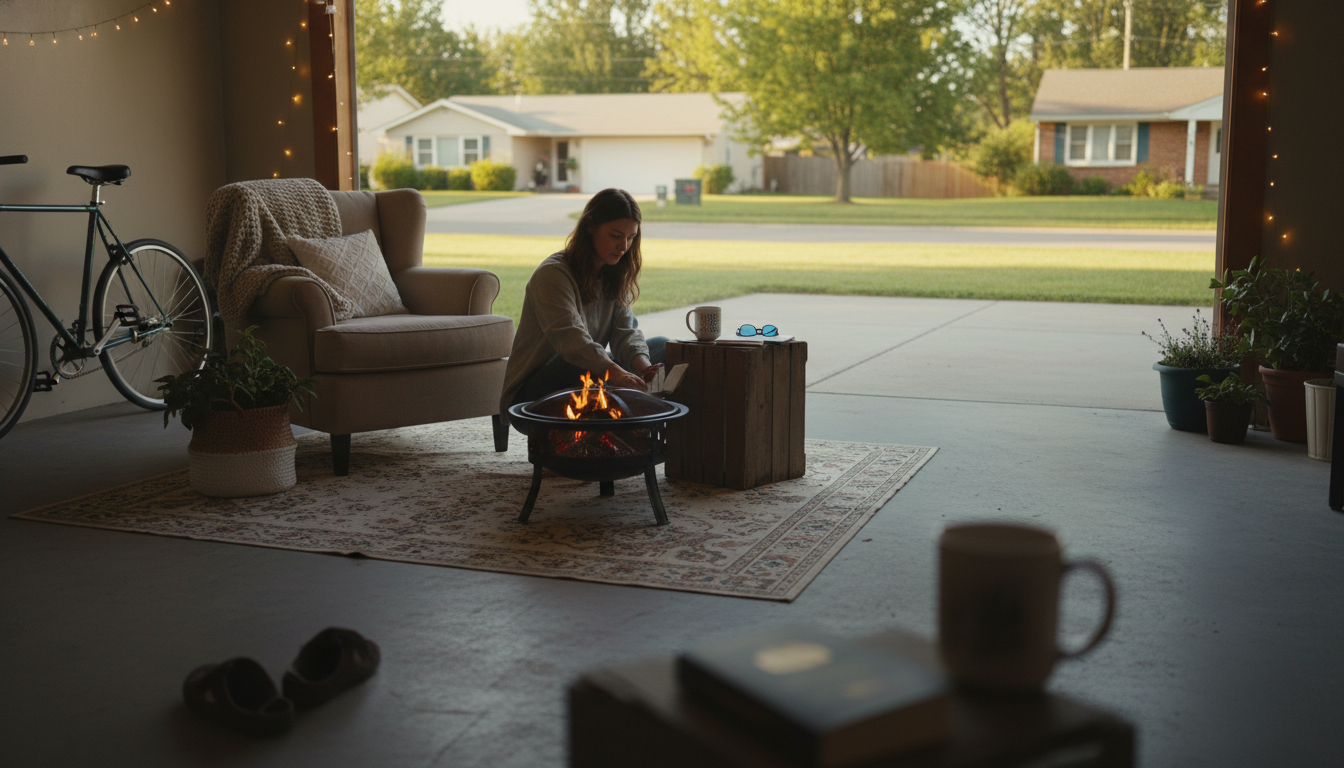
A simple bedtime routine works best when it’s predictable, calming, and easy to repeat every night. Instead of aiming for a “perfect” routine, pick a short set of steps that signal to your brain that the day is ending and it’s safe to power down.
Choose a bedtime and begin winding down 30–60 minutes before it. Set a gentle “last call” alarm for screens, email, and anything mentally activating. Consistency matters more than duration—doing the same sequence most nights trains your body to feel sleepy on cue.
Try a simple sequence like: tidy your sleep space for two minutes, take a warm shower or wash your face, put on comfortable clothes, and do a low-effort relaxation practice. A short routine you repeat beats a long routine you abandon.
If your mind races, choose a tool that slows it down: slow breathing (like 4 seconds in, 6 seconds out for a few minutes), a quick body scan, or writing down tomorrow’s top three tasks so you’re not holding them in your head. Keep lighting dim and avoid “problem-solving” conversations during this time.
Keep the room cool, dark, and quiet, and reserve the bed for sleep and intimacy. If you’re not sleepy, do something calm in low light (reading a few pages, gentle stretching) and return to bed when drowsy—this helps strengthen the bed-sleep association.
If you miss a night, restart the next evening without trying to “make up” for it. Small tweaks—like shifting bedtime by 15 minutes—are easier for your body to absorb.
For more stress-recovery sleep strategies, see the full guide here: https://mrsmattie.com/guide-better-sleep-for-stress-recovery-sleep-hygiene-relaxation-mindfulness/.
Avoid bright screens, heavy meals, alcohol as a “sleep aid,” and intense workouts close to bedtime, since they can keep your nervous system activated and make it harder to fall asleep.







Leave a comment