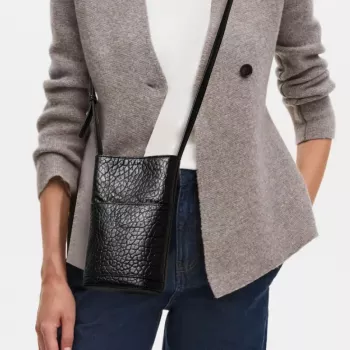
Yes—if an item is labeled “100% genuine leather,” it is made from real animal hide. “Genuine leather” is a legal/material term that indicates the product contains real leather fibers, not a fully synthetic alternative like PU (polyurethane) or PVC.
That said, “genuine leather” doesn’t automatically tell you how premium the leather is. It’s often used as a broad category that can include lower-cost leather selections, corrected-grain finishes, or leather made from multiple layers of hide. The result can still look great and feel like leather, but it may not age as dramatically (or last as long) as higher-end leathers like full-grain or top-grain.
On many accessories, “genuine leather” is used when the leather is real but heavily finished for a consistent color and texture. That coating can improve stain resistance and uniformity, but it may also reduce the natural character marks and patina development that leather lovers often want.
Quality comes down to factors beyond the label, including hide selection, thickness, tanning method, stitching, edge finishing, and hardware. Two products can both be “100% genuine leather,” yet perform very differently over time.
Instead of focusing only on the phrase “100% genuine leather,” look for signs of overall build quality: sturdy seams, clean edge paint, reinforced stress points (like strap anchors), smooth zippers, and a lining that won’t fray quickly. If possible, check whether the seller clarifies the leather type (top-grain, full-grain) or tanning method.
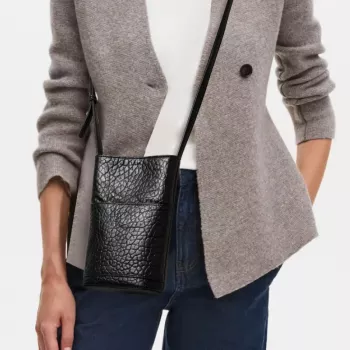
For a practical example of how genuine leather is used in everyday accessories, see this guide: Mini Genuine Leather Crossbody Shoulder Bag Coin Purse Guide.
Genuine leather is made from animal hide, while PU leather is synthetic. PU can mimic the look of leather, but it generally won’t develop the same patina and may peel or crack differently over time.




Leave a comment