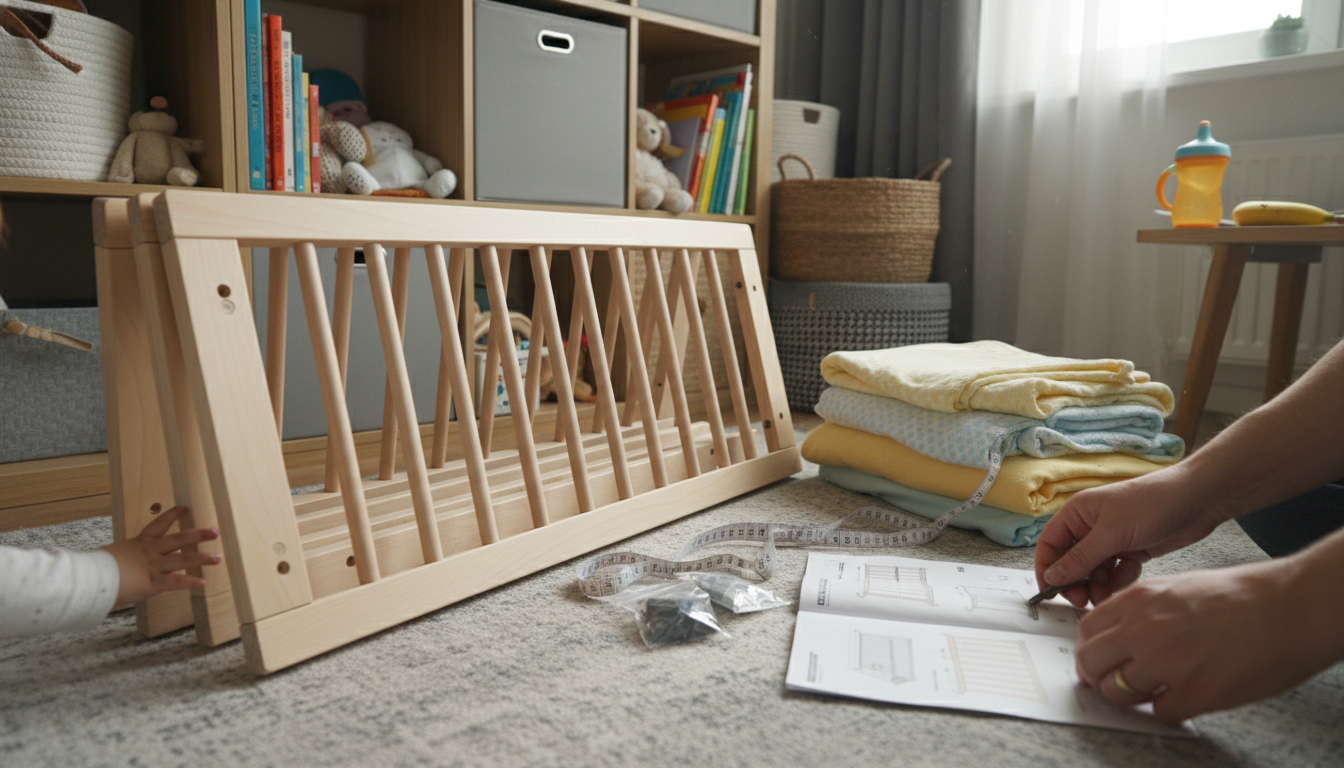
A wooden crib can be a better choice for many families because it’s typically sturdy, long-lasting, and easy to match with different nursery styles. That said, “better” depends on what matters most—durability, budget, portability, or specific safety features—so it’s worth comparing materials and construction rather than choosing based on wood alone.
Solid wood and well-made wood composites are known for rigid frames and secure joinery. That stability can feel reassuring once a baby starts shifting, rolling, or pulling up, and it often translates to less wobble over time compared with lighter materials.
Wood cribs commonly hold up through multiple children when properly maintained. Many parents also find that a classic wood finish keeps its appeal longer, which can help if the crib is handed down or resold.
From natural tones to painted finishes, wood pairs easily with changing decor. If the nursery aesthetic is part of the plan—especially with coordinated details like mobiles and gentle rattles—wood tends to blend in rather than compete visually. For ideas on nursery-friendly accents that complement a wooden crib, see this guide to a rainbow wooden crib mobile and gentle rattles.
Wood cribs are often heavier than mesh or travel cribs, which can be inconvenient if the crib needs to move between rooms or homes. If frequent relocation is likely, a lighter option may be more practical.
Painted or stained wood can show dents and scuffs, especially during teething stages. Regularly checking for chipped finish, rough spots, or loose hardware helps keep the sleep space safe and smooth.
Look for a sturdy frame, snug hardware, and a mattress that fits tightly with no gaps. Confirm the crib meets current U.S. safety standards, and avoid older or secondhand cribs that may not follow modern requirements.
Choose a mobile designed for cribs, made with baby-safe materials, and positioned securely out of reach. Simple shapes, gentle motion, and soft sounds can be soothing without being overstimulating.






Leave a comment