“Genuine leather” isn’t a brand. It’s a material label that means the item is made with real leather, but it doesn’t tell you much about overall quality, durability, or how the leather was processed. Two products can both be labeled “genuine leather” and still feel completely different in thickness, softness, finish, and long-term wear.
Leather labels can be confusing because “genuine leather” sounds like a premium stamp. In practice, it’s a broad category used in many price ranges. It confirms the item uses real leather somewhere in its construction, but it doesn’t specify the grade, the hide selection, or the craftsmanship.
Instead of treating the label like a brand promise, look for product details that reflect build quality. Check the stitching (tight, even lines), edge finishing (cleanly painted or well-burnished), and hardware (smooth zippers, sturdy clasps). For small bags and everyday accessories, the lining and reinforcement at stress points—strap attachments, corners, and zipper ends—often determine how long it lasts.
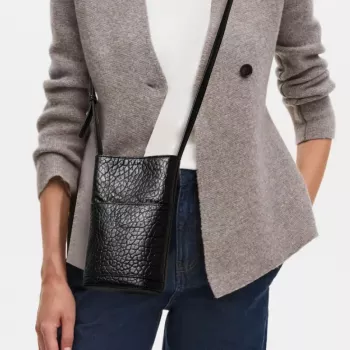
Genuine leather can be an excellent option for compact crossbody bags and coin purses when you want a classic look, a bit of structure, and a material that can develop character over time. If the design fits your daily routine and the construction is solid, the “genuine leather” label can be a practical, budget-friendly way to get real leather performance.
For a closer look at a mini genuine leather crossbody and coin purse style—plus what to notice when choosing one—see this guide: https://mrsmattie.com/blog/guide-mini-genuine-leather-crossbody-shoulder-bag-coin-purse/.
Look for consistent stitching, reinforced strap connections, smooth zippers, and edges that are neatly finished. A quality piece will feel substantial without being stiff, and the hardware won’t rattle or snag during use.





Leave a comment