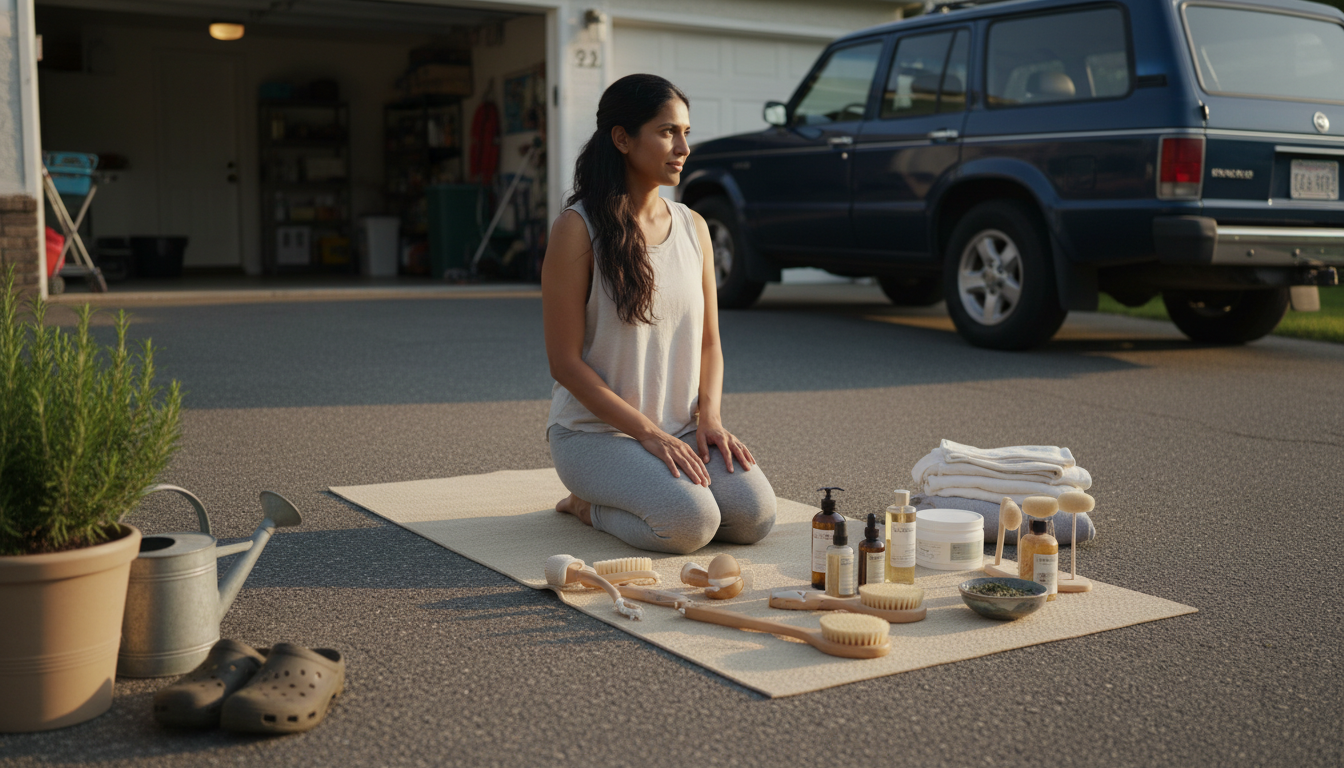
Yes—using a bath brush can be good for your skin and your routine when it’s the right type and used gently. A soft bath brush helps lift away sweat, sunscreen, and dead skin so cleanser can work more evenly. It can also make rinsing easier in areas where soap tends to linger, like shoulders, upper back, and around the hairline.
That said, the benefits come from gentle exfoliation, not scrubbing hard. If a brush feels scratchy, leaves redness, or makes skin sting, it’s too abrasive or being used with too much pressure. Softer materials—like silicone bristles—tend to be more forgiving for sensitive skin and for everyday use.
Brushes can help distribute body wash and loosen buildup from skin folds and hard-to-reach spots. This can be especially helpful after workouts, swimming, or heavy sunscreen days.
Light exfoliation can improve the look of flaky areas and leave skin feeling smoother. Over time, consistent gentle exfoliation may help with the appearance of rough patches, particularly on arms and legs.
The repetitive motion and light massage can feel calming and may help turn a quick shower into a more comfortable self-care moment.
Avoid brushing over broken skin, active rashes, sunburn, or inflamed acne/folliculitis. If you have eczema, psoriasis, or very reactive skin, stick to ultra-soft tools and limit use to once or twice a week unless a clinician advises otherwise.
Hygiene matters too. A brush that stays damp can harbor bacteria or mildew. Rinse thoroughly after each use, shake out water, and let it dry in open air. Replace it if it develops odor, discoloration, or warped bristles.
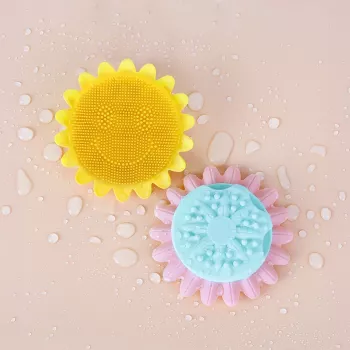
Choose a brush with soft, flexible bristles, a comfortable grip, and materials that rinse clean easily. Silicone options are popular because they dry faster and feel gentler than stiff natural bristles. For a deeper dive into choosing a soft silicone baby bath brush and how to use it gently, visit this guide.
For most people, 2–4 times per week is plenty. If your skin is sensitive, start once a week and increase only if your skin stays calm and comfortable.





Leave a comment