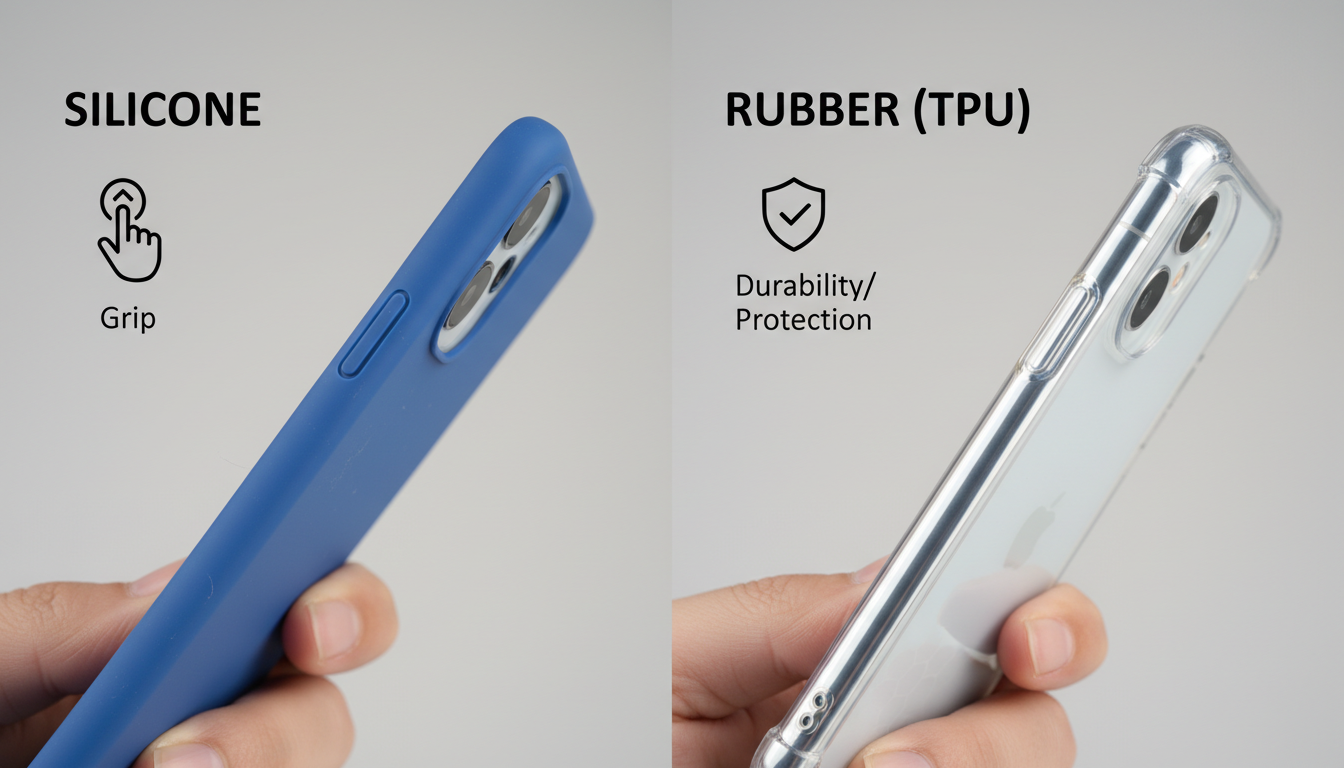
For most everyday use, silicone is the better choice because it feels softer in hand, has a naturally grippy texture, and tends to slide in and out of pockets more easily without snagging. Rubber can be better when maximum impact resistance and a firmer, more rugged feel matter most, but it often comes with trade-offs like extra bulk and attracting lint.
Silicone typically wins on comfort. It has a smooth, “cushiony” touch and provides steady grip without feeling sticky. Rubber (often a denser compound) can feel tackier and may grab fabric, which is great for preventing slips but can be annoying in tight jeans or small purses.
Both materials absorb shock well, but the real protection depends on case design: raised edges, reinforced corners, and overall thickness. Rubber cases are commonly made thicker and can feel more “armored,” which helps for frequent drops. Silicone can still be highly protective when paired with a shockproof build and structured edges.
Silicone can pick up dust and pocket lint and may show scuffs on lighter colors. Rubber can resist scuffs but may harden over time depending on the formula and exposure to heat and sunlight. If you want a case that stays feeling soft and flexible, silicone usually maintains that feel longer.
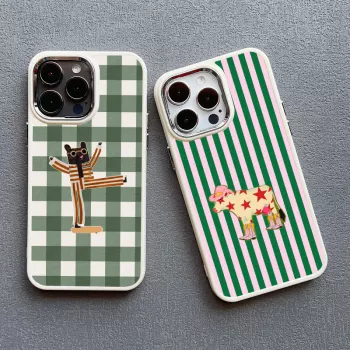
Silicone is popular for cute, sleek designs because it can hold color well and feels pleasant to use all day. If you’re shopping for a stylish, protective option, see this guide to a cute shockproof iPhone case here: https://mrsmattie.com/guide-green-white-plaid-animal-iphone-case-cute-shockproof/.
Pick silicone if you want a softer feel, easy pocketing, and a grippy everyday case. Pick rubber if you prioritize a tougher, more rugged build and don’t mind extra thickness or a tackier surface.
Yes, silicone can attract lint and dust more than many materials, especially in pockets and bags. A quick wipe with a damp cloth usually removes buildup easily.




Leave a comment