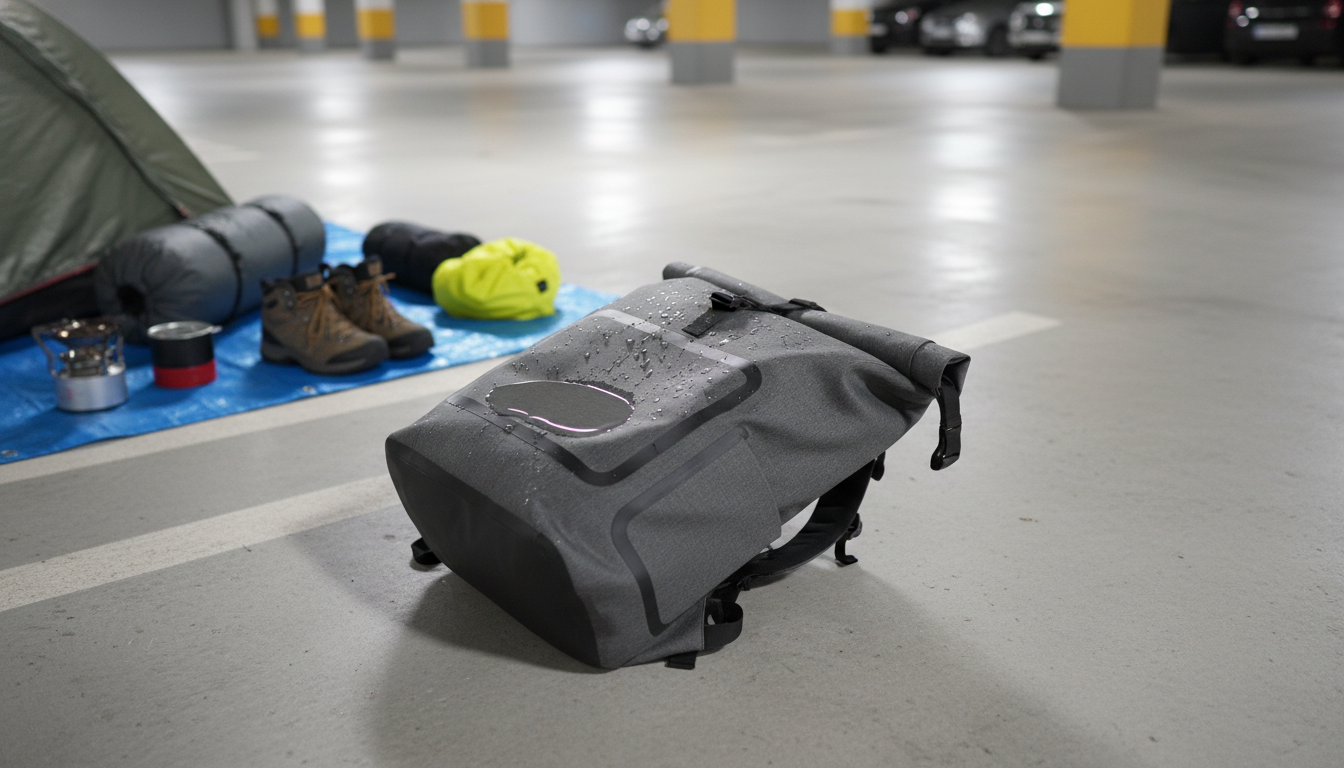
Yes—there are truly waterproof backpacks, but they’re less common than “water-resistant” ones. A waterproof backpack is built to keep water out under heavy, sustained rain (and sometimes brief submersion) by combining a waterproof fabric with fully sealed construction, especially at the seams and openings.
A backpack earns the “waterproof” label when the materials and construction work together as a barrier. Look for waterproof fabrics (often TPU- or PVC-laminated), welded or taped seams, and a closure system designed to seal—most often a roll-top. Zippers are a frequent weak point; waterproof models either use waterproof zippers or reduce zipper exposure by placing them under storm flaps or using roll-top designs.
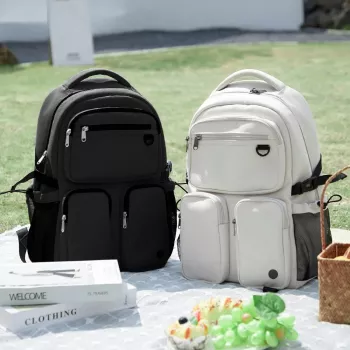
Many everyday laptop backpacks are designed to handle rain for a commute, not a downpour for hours. They may use durable water-repellent (DWR) coatings, water-resistant fabrics, and covered zippers, which helps shed light rain and splashes. But if seams aren’t sealed and openings aren’t designed to lock out water, moisture can eventually creep in—especially around zipper tracks and stitched areas.
If the backpack will carry electronics, prioritize water protection where it matters most: a protected laptop compartment, minimal exterior zipper exposure, and an included or compatible rain cover. A rain cover can turn a solid water-resistant bag into a dependable wet-weather setup for travel days and daily commuting, without the bulk of a fully waterproof roll-top pack.
For a deeper breakdown of rain-ready features—like zipper protection, fabric choices, and smart add-ons—see the full guide here: https://mrsmattie.com/blog/guide-rain-ready-15-6-laptop-backpack-usb-guide/.
Waterproof backpacks are designed to prevent water intrusion with sealed seams and watertight closures, while water-resistant backpacks mainly repel light rain and splashes. For long exposure to heavy rain, water-resistant bags often need a rain cover for reliable protection.





Leave a comment