Silicone phone cases are popular because they’re soft, grippy, and typically affordable. Still, they come with trade-offs that can matter depending on how you use your phone and what kind of look you want.
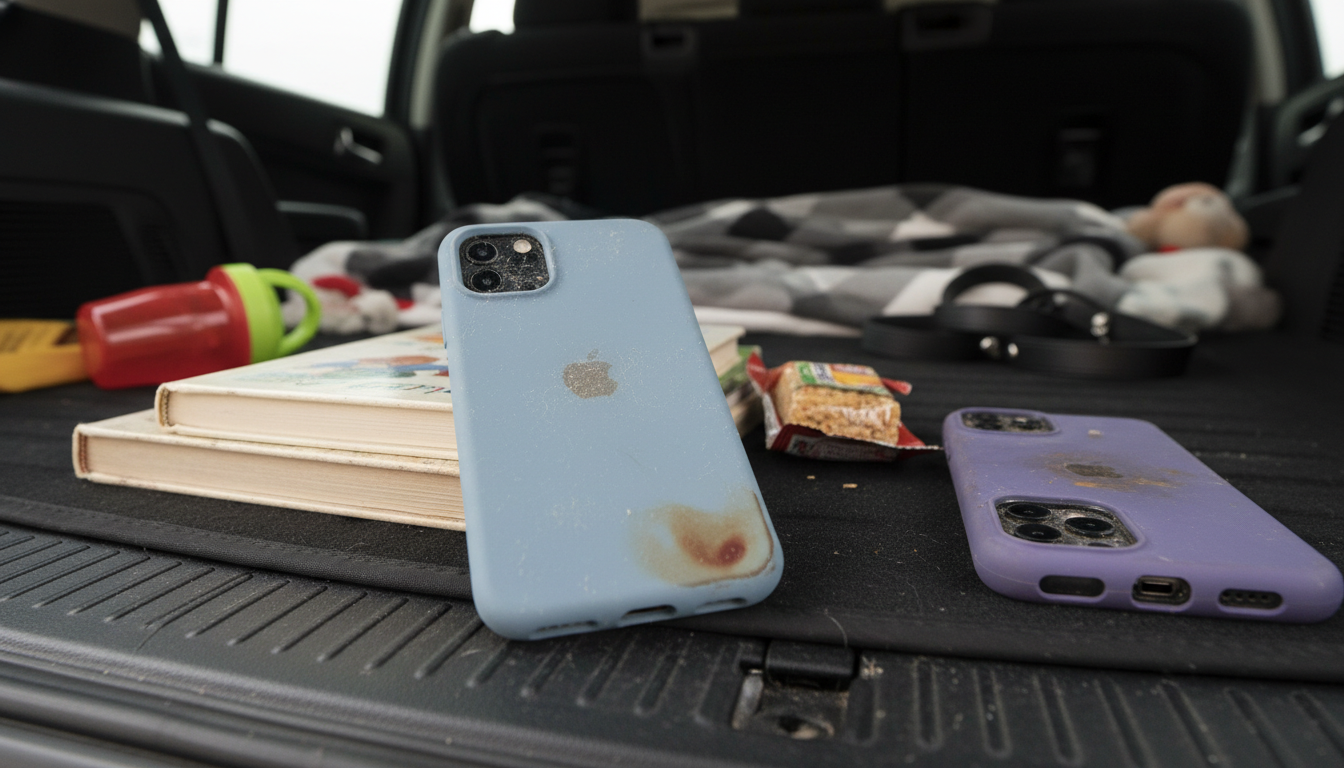
One of the most noticeable downsides is how easily silicone picks up pocket lint, dust, and hair. The slightly “tacky” feel that helps with grip can also make the case look dirty faster—especially with lighter colors.
Silicone may yellow or darken with age, UV exposure, and everyday grime. Dyes from denim pockets, makeup, or dark bags can also transfer, leaving stains that are hard to fully remove.
Silicone can cushion minor bumps, but some thin silicone cases don’t have enough structure to disperse impact during hard drops. If you prioritize drop protection, look for reinforced corners or a hybrid build rather than ultra-soft, minimal silicone.
Because silicone has more friction than hard plastic, it may catch on fabric when sliding in and out of pockets. Some people also find the soft material makes the phone feel thicker in-hand compared with a slim, rigid case.
Over time, silicone can stretch slightly and collect oils, which may make buttons feel mushy. Cutouts can also loosen, especially on budget cases, changing the fit and finish after months of use.
While silicone is washable, it often needs frequent cleaning to stay looking fresh. Soap and water help, but stubborn marks may linger, and repeated scrubbing can dull the surface.
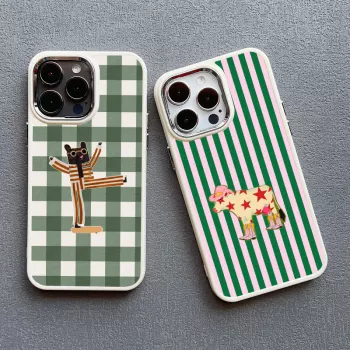
If you’re comparing materials and styles—especially if you want something cute but still practical—see the details and design notes in this guide to the green & white plaid animal iPhone case.
They can help with small drops and everyday bumps, but protection varies a lot by thickness and design. For better impact handling, choose a case with reinforced corners or a shock-absorbing structure rather than a very thin silicone shell.




Leave a comment