A black Chevrolet “bowtie” emblem usually signals a styling choice rather than a single, universal factory meaning. Many drivers swap the standard gold-and-chrome badge for a blacked-out version to match black wheels, tinted trim, or an overall “midnight” look. It’s a popular way to make the front grille and tailgate look cleaner and more modern without changing anything mechanical.
On some Chevrolet models and trims, a black emblem can come as part of an appearance package (often marketed around blackout, midnight, or dark-themed styling). In those cases, the black bowtie is simply one element of a broader set of cosmetic upgrades—think dark wheels, black mirror caps, and blacked-out grille accents. The exact package name and availability depends on the model year and vehicle (Silverado, Tahoe, Equinox, etc.), so the most reliable confirmation is checking the original window sticker or build sheet.
It’s also very common for a black Chevy emblem to be aftermarket. Owners may choose a full replacement badge, an overlay, or a badge wrap for a similar effect at different price points. Aftermarket options range from painted OEM-style emblems to 3D metal badges and adhesive-backed overlays. The “meaning” in this case is personal preference—sportier aesthetics, a stealth theme, or simply matching other black accessories.
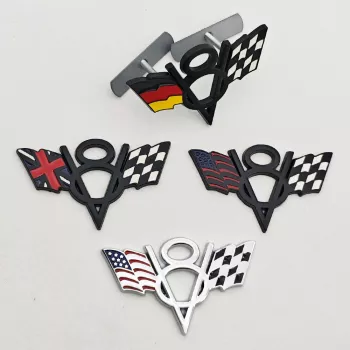
If you’re considering swapping badges or adding new emblems, focus on fitment, finish quality (matte vs. gloss), and installation method (clips, bolts, or adhesive). For more ideas on upgrading vehicle badges—and what to look for in a 3D metal emblem—see this guide: https://mrsmattie.com/blog/guide-v8-flag-emblem-badge-3d-metal-car-sticker-upgrade/.
Most emblems are either clipped into the grille/tailgate or attached with automotive-grade adhesive. The usual approach is to remove the old badge carefully, clean and decontaminate the surface, then align and press on the new emblem (or fasten it if it uses studs/clips).






Leave a comment