“Little windows” can mean a few different things, so the location depends on what you’re trying to find. In most homes, “little windows” often refers to smaller window styles—like bathroom awning windows, basement hopper windows, transoms above doors, or narrow side windows (sidelights). Those windows aren’t tied to one specific place; they’re commonly located where homeowners want light and ventilation without sacrificing privacy or wall space.
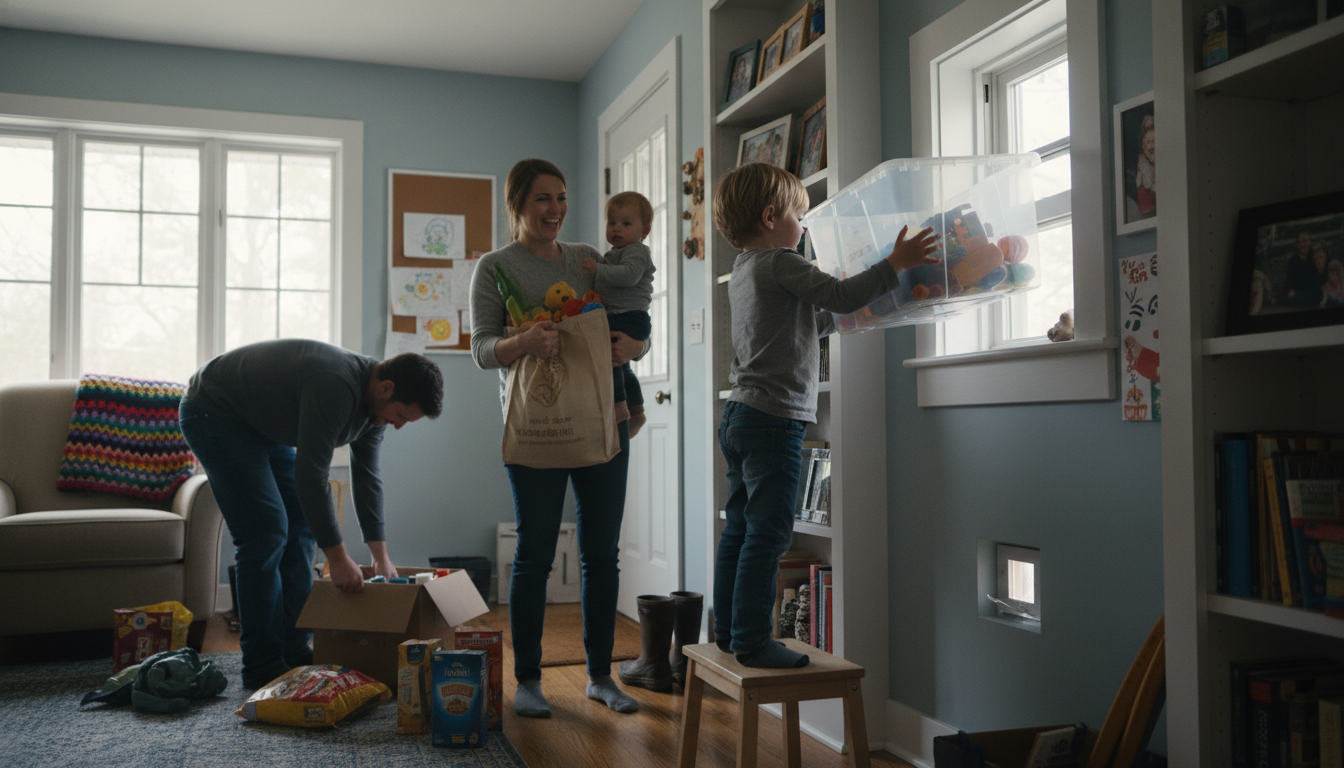
Inside a typical house, you’ll often find small windows in bathrooms (higher up on the wall), laundry rooms, stairwells, basements, garages, and sometimes above a front door or between rooms. In kids’ spaces, small windows may be installed higher for safety or to fit around furniture, but they can still pose risks if they open widely, sit above climbable surfaces, or have accessible cords or latches.
If you’re searching for “Little Windows” as a business or a specific brand, the best way to confirm its location is to check the company’s official website, business listing, or social profiles for an address and service area. Many small retailers and service providers operate online-only or serve multiple regions, so “located” might refer to a headquarters, a showroom, or a shipping origin rather than a walk-in store.
Small windows are easy to overlook during a safety walkthrough, but they can still create fall hazards, pinch points, or escape/egress concerns—especially if they’re near a bed, changing table, dresser, or toy storage that a child can climb. Locks, guards, and cord management are just as important on small openings as they are on large ones.
For a practical room-by-room checklist (including how to evaluate opening limits, guards, and safer window setup), use this helpful guide: window baby proofing guide and home window safety checklist.
If “Little Windows” is a local business, the fastest way to confirm whether it’s near you is to search the exact name in a maps app and check the address and service radius. If it’s an online-only shop, its “location” may be listed as a shipping origin or headquarters rather than a nearby storefront.






Leave a comment